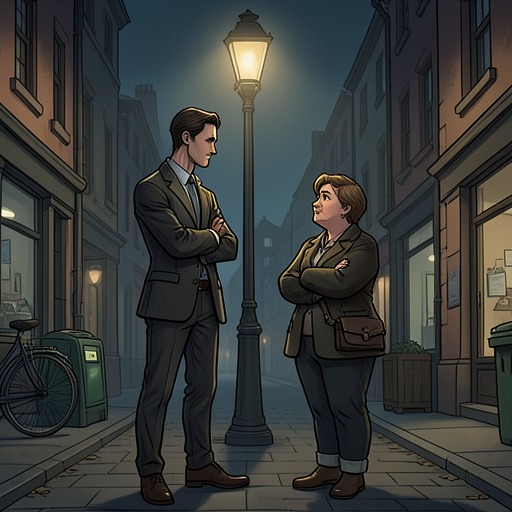
Emma and Dexter’s wedding
One DayEmma Morley and Dexter Mayhew’s wedding in 2003 marks the formal commitment of a relationship that the novel presents with both irreverence and deep, hard-won affection. The celebration is designed to be small and unshowy, but the jokes surrounding it do not cancel its emotional weight: Emma later describes herself as confident that she loves her husband and is loved in return.
A deliberately modest wedding
The couple plan to marry in November at a registry office, followed by a restrained reception for close friends and family at a local restaurant they favor. They insist that it is not really a wedding so much as an excuse for a party, and choose secular vows without much sentimentality. Yet the promises remain unwritten, and the prospect of sitting face-to-face to compose them seems almost too embarrassing. Their restraint is therefore partly practical and partly comic: even at the point of making formal promises, they resist solemn display.
The practicalities become part of their teasing. Emma asks why she is marrying Dexter; he says it is not too late to cancel, and she wonders whether they would recover the deposit. Their exchange makes cancellation sound like another household calculation, but its ease rests on the security of the relationship rather than on indifference. When Emma kisses him again and says she will think about it, the joke ends in affection, not withdrawal.
Private excitement and family welcome
The couple approach the approaching day flippantly, but are also privately and discreetly elated. Their manner holds the two feelings together: they make fun of the conventions of marriage while quietly looking forward to becoming spouses. A holiday in Yorkshire is their last chance to get away before the wedding. Emma has a writing deadline, while Dexter is anxious about leaving the business for a week, so even this pre-wedding trip takes place alongside their ordinary responsibilities.
The journey also brings Dexter to visit Emma’s parents. Sue Morley treats the visit as a royal occasion, setting out serviettes instead of the usual kitchen roll and preparing trifle and a bottle of Perrier. After Emma’s relationship with Ian Whitehead ended, Sue had seemed unlikely to love again; now she is fixated on Dexter, flirting with him in an exaggeratedly coquettish voice. Dexter dutifully flirts back, while the rest of the family stare at the floor tiles and try not to laugh. Sue’s delight casts the marriage as the fulfillment of a long-held fantasy: to her, Emma is marrying Prince Andrew.
Marriage in retrospect
The later account confirms that Emma and Dexter are husband and wife without turning their life together into a wedding spectacle. Emma reflects that, at thirty-eight, she has come to regard the settled familiarity of middle age as real life: their circle of friends and general circumstances seem likely to endure, and happiness is present without being dramatically heightened. Against that background, her confidence that she loves someone and is loved in return gives the marriage its decisive significance.
When people ask how they met, Emma answers, “We grew up together.” The phrase compresses their long history into a plain account of shared formation rather than a polished romantic origin story. The wedding’s modesty and their habitual jokes thus coexist with the depth of the bond they have carried into married life.